
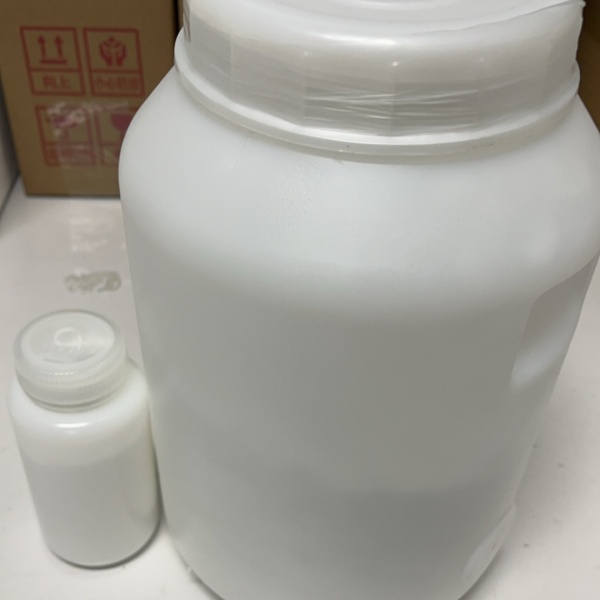
Autocamtide-3, peptide synthesis, direct supply source
Dirction:Autocamtide-3 is a specific substrate peptide targeting CaMKII for biochemical research. It is extensively adopted to detect CaMKII activity and explore calcium signal transduction pathways related to nerve cells. Direct factory supply ensures high HPLC purity above 95%. Sealed storage at -20°C keeps stable properties for laboratory assays and pharmacological studies.
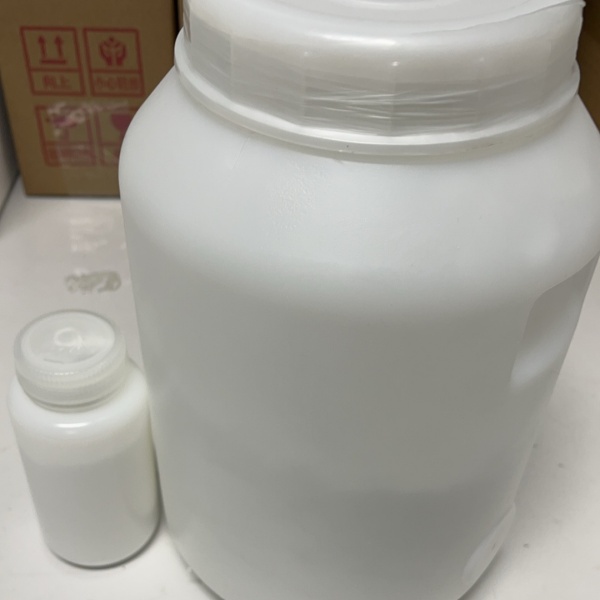
basic information:
brand: solid extension
appearance traits : white powder
storage: shading , cool drying , sealed preservation purity: ≥ 99% main use : Polypeptide Research Use
execution standard: enterprise standard
specifications: mg/g/kg, etc ( subject to customer requirements )
sales Scope: Global
FAQ:
How to Preserve Peptides?
For long-term preservation, peptides should be stored away from light at temperatures below -20 °C; storage at -80 °C yields optimal results, while short-term storage can be carried out at 4 °C. Room-temperature transportation is acceptable for brief periods. Peptides remain highly stable at −20 °C or colder, especially lyophilized peptides kept in a desiccator.
Before opening the package or weighing the peptide, equilibrate it to room temperature inside a desiccator first. If opened without temperature equilibration, moisture condensation will occur inside the vial and compromise peptide stability.
Peptides containing Cys, Met or Trp are susceptible to oxidation, so deoxygenated buffers are essential for dissolution as these residues oxidize readily upon air exposure. Sealing vials under nitrogen or argon atmosphere mitigates oxidation. Peptides with Gln or Asn degrade easily and possess shorter shelf lives compared to ordinary peptides without such residues.
Peptides with Gln as the N-terminal amino acid are extremely unstable and degrade within days. It is advised to avoid placing Gln at the N-terminus during sequence design
Products categories
-
Chemerin-9 (149-157) (TFA)/GT Peptide/Peptide Supplier
-
![[Sar9 Met(O2)11]-Substance P/110880-55-2/GT Peptide/Peptide Supplier](https://www.gtpeptide.com/uploadfile/202506/12e247d1e5d2799.jpg)
[Sar9 Met(O2)11]-Substance P/110880-55-2/GT Peptide/Peptide Supplier
-
A4 Protein Precursor₇₇₀ (740-770) trifluoroacetate salt/1802086-24-3/GT Peptide/Peptide Supplier
-
RK-16/GT Peptide/Peptide Supplier
-
Edotreotide/204318-14-9 /GT Peptide/Peptide Supplier
-
H-Glu(Trp-OH)-OH/66471-20-3 /GT Peptide/Peptide Supplier