
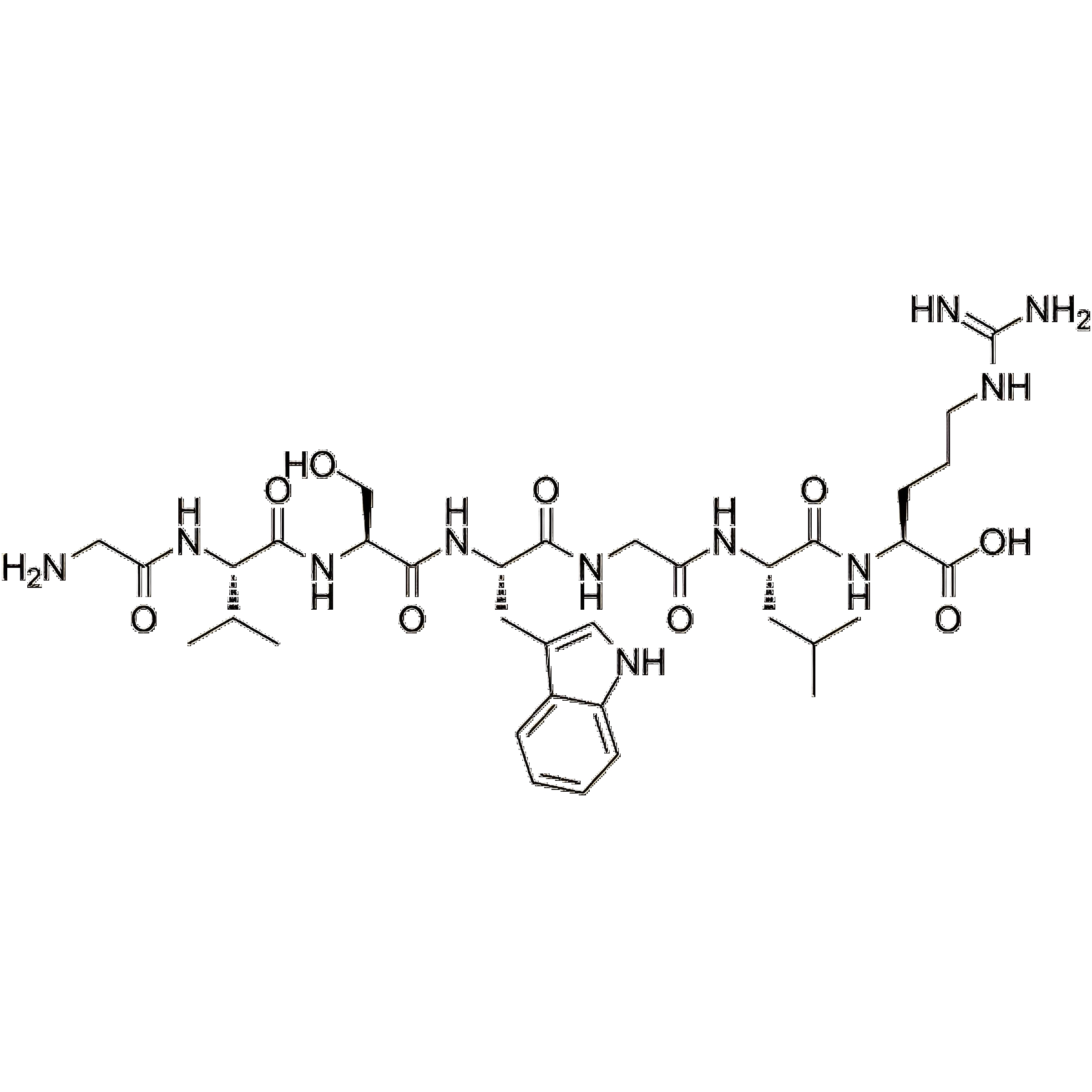
High purity peptide PE-22-28
Descripiton
PE-22-28 is a synthetic fragment peptide derived from the neuropeptide galanin. Researchers isolated amino acids 22 to 28 of galanin, thereby synthesizing the PE-22-28 peptide.
Galanin is composed of 30 amino acids and plays a central role in the brain and nervous system, influencing processes such as stress response, appetite regulation, memory, and pain perception. PE-22-28 retains the functional activity of interacting with galanin receptors, allowing it to interact with the same receptor systems in the brain and nervous system. Galanin typically binds to three known receptors: GALR1, GALR2, and GALR3, each affecting different processes, such as mood regulation, pain perception, and memory. By using only a selective fragment of galanin, PE-22-28 can exert these benefits more precisely and efficiently.
Specifications
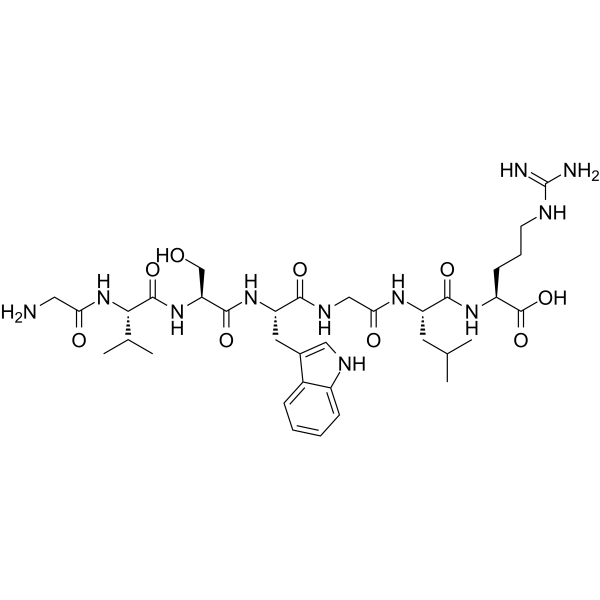
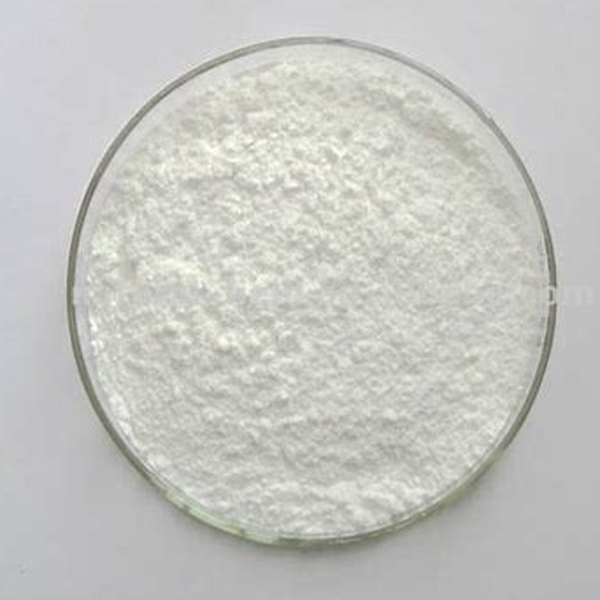
Apperance: White to off-white powder
Purity(HPLC): ≥98.0%
Single Impurity: ≤2.0%
Acetate Content(HPLC): 5.0%~12.0%
Water Content (Karl Fischer): ≤10.0%
Peptide Content: ≥80.0%
Packing and Shipping: Low temperature, vacuum packing, accurate to mg as required.
FAQ
What are the applications of peptide libraries?
Peptide libraries are an efficient tool for many studies, including GPCR ligand screening, protein-protein interaction studies, functional proteomics, nucleotide binding, screening of enzymatically acting substrates and inhibitors, antigen and epitope screening, signaling molecule search, and other important processes of drug screening.
What do I need to pay attention to when introducing fluorescent modifications into peptides?
It is recommended to add a linker between the peptide molecule and the fluorescent modification, which can reduce the effect of the fluorescent modification on the peptide folding and binding to the receptor. However, if the purpose of the fluorescence modification is to quantify the fluorescence migration between different structures, the introduction of a linker is not recommended.
How to choose the salt form of peptides?
The choice of the salt form of peptides needs to consider various factors, including the peptide sequence, stability, solubility, biotoxicity, and specific experimental requirements. By default, peptides are generally delivered as trifluoroacetic acid (TFA) salts; in addition, peptides can also exist in forms such as acetate, ammonium, and sodium salts.
How are the goods transported?
For your goods, we will entrust DHL,FedEx or other shipping companies to handle the shipment.
Products categories
-
Dermaseptin/136033-70-0/136212-91-4/GT Peptide/Peptide Supplier
-
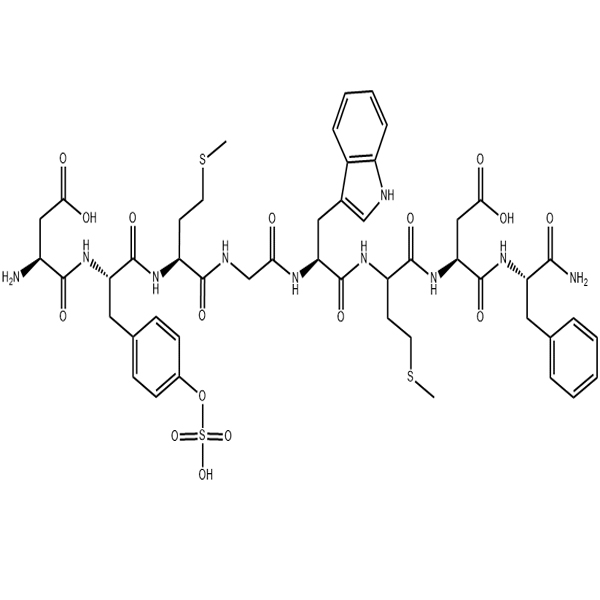
Sincalide(CCK-8)/25126-32-3/GT Peptide/Peptide Supplier
-
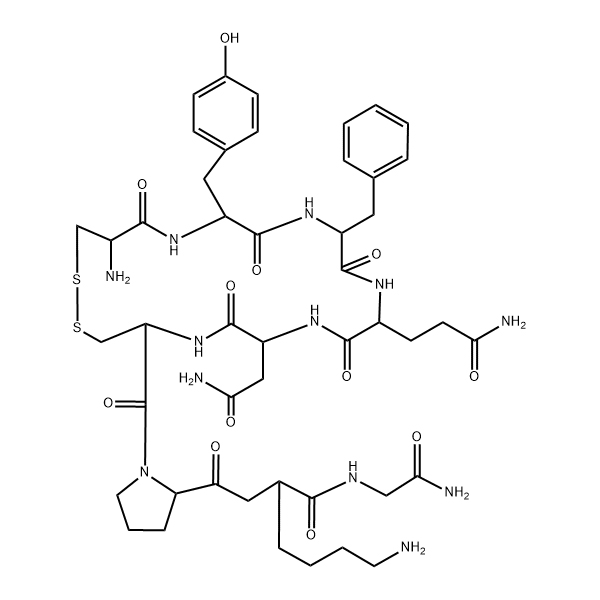
LypressinAcetate /50-57-7/GT Peptide/Peptide Supplier
-
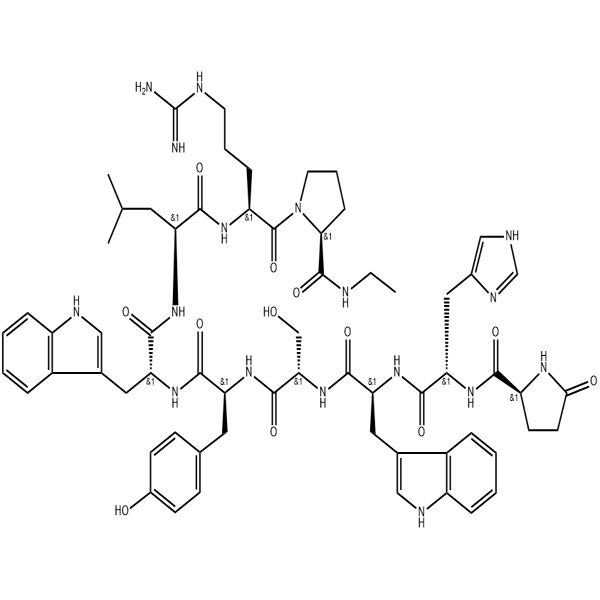
DeslorelinAcetate/57773-65-6/GT Peptide/Peptide Supplier
-
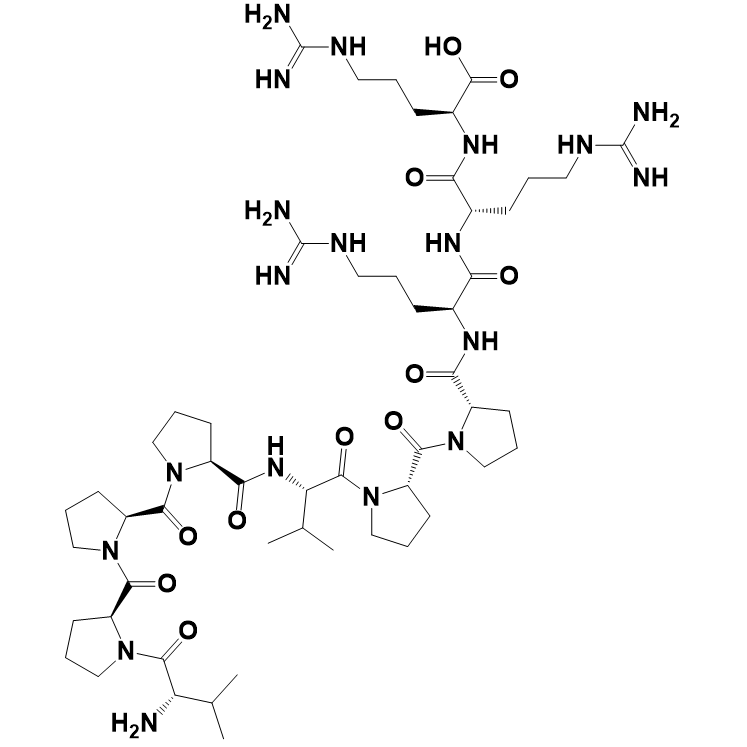
Ras Inhibitory Peptide/159088-48-9/Peptide storage
-
OxytocinAcetate/6233-83-6/GT Peptide/Peptide Supplier