
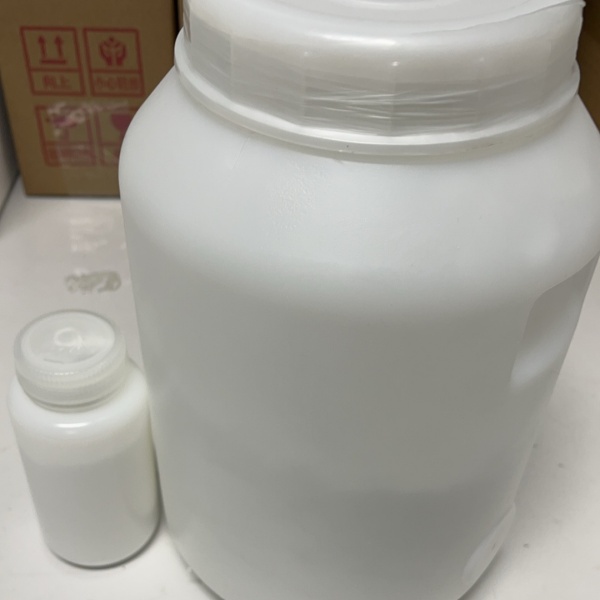
Tyr-W-MIF-1,144450-13-5, Peptide Custom Synthesis Service
Dirction:Tyr-W-MIF-1 is a synthetic research peptide raw material. It appears as white lyophilized powder with purity guaranteed above 98%, validated by HPLC and mass spectrometry. Suitable for neuroscience and neuroimmunology laboratory research only. Custom synthesis and multiple packaging specifications are available. Not pharmaceutical API, not for clinical or human administration.
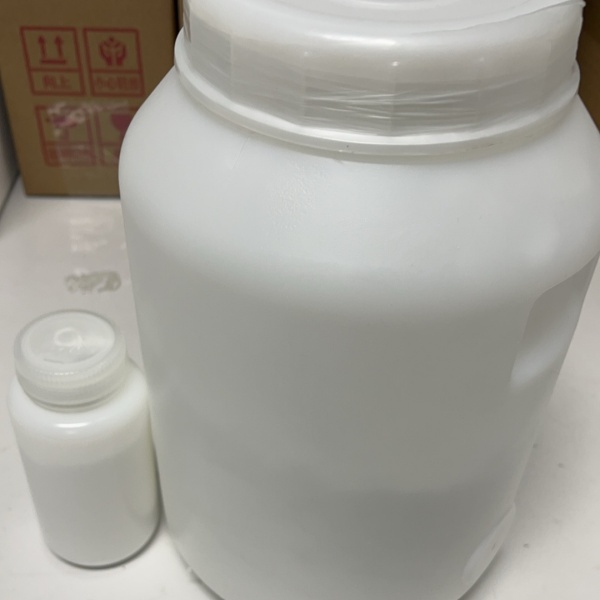
Basic information:
Brand: solid extension
appearance: white powder
storage: shading, cool and dry, sealed preservation purity: ≥ 99% main purpose: polypeptide research use
Implementation standard: enterprise standard
mg/g/kg (subject to customer requirements)
Sales Scope: Global
Peptide FAQ:
1. Polypeptide dissolution
dissolving polypeptides is a very complicated matter, and it is generally difficult to determine a suitable solvent at once. Usually take a little test first, do not dissolve it all before determining the appropriate solvent.
The following methods can help you choose the right solvent:
(1) to determine the specific charge of the polypeptide, set the acidic amino acid Asp(D),Glu(E) and C terminal COOH is -1; basic amino acid Lys(K),Arg(R),His(H) and N terminal NH2 is +1, the charge of other amino acids is 0. Calculate the number of charges.
(2) if the net charge number is> 0, the polypeptide is alkaline, dissolve with water: if it is insoluble or has little solubility, add acetic acid (above 10%); If the polypeptide cannot be dissolved, add a small amount of TFA(25ul) to dissolve, and then add 500ul water to dilute.
(3) If the net charge number is less than 0 and the polypeptide is acidic, dissolve it with water; if it is not dissolved or has little solubility, add ammonia water (25ul) to dissolve it, and then add 500ul water to dilute it.
(4) If the net charge number = 0 and the polypeptide is neutral, hydrophobic polypeptides and neutral polypeptides containing a large number of uncharged polar amino acid residues or hydrophobic amino acids can be dissolved in a small amount of organic solvent, such as DMSO, DMF, acetic acid, acetonitrile, methanol, propanol or isopropanol, and then diluted with water (distilled water). Polypeptides containing methionine or cysteine cannot be solubilized with DMSO because DMSO may cause side chain oxidation. It has also been suggested that urea is required for dissolution. For peptides containing free cysteines, DMF was used instead of DMSO. For highly hydrophobic polypeptides, 6M guanidine hydrochloride or 8M urea can be added, followed by the necessary dilution.
To prevent or minimize degradation of the polypeptide, it is better to store the polypeptide as a lyophilized powder at -20°C or lower. If the solution peptide needs to be preserved, it is best to store it in small samples to avoid repeated freezing and thawing. One sample should be thrown away if it is not used after thawing. Bacterial degradation can sometimes be a problem for solution peptides, so please dissolve the peptides in sterile water or filter and sterilize the peptide solution.
Basic amino acids: Lys (K), Arg(R), His (H) , Orn
acidic amino acids: Asp(D), Glu(E)
Products categories
-
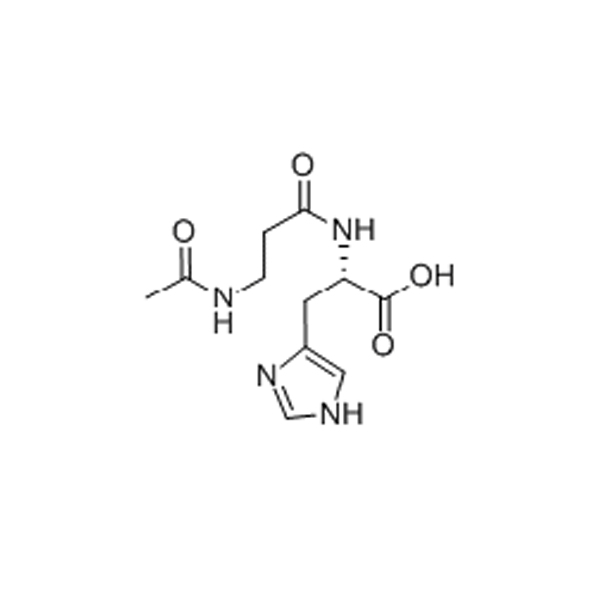
Acetyl Carnosine/56353-15-2/GT Peptide/Peptide Supplier
-
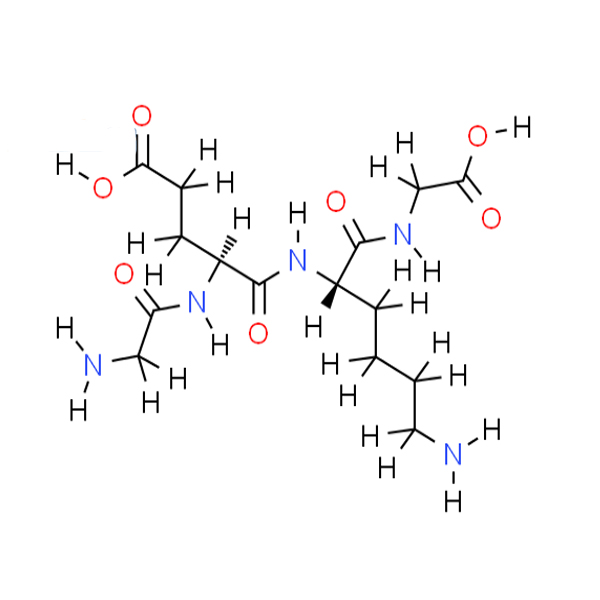
Tetrapeptide-21/960608-17-7/GT Peptide/Peptide Supplier
-
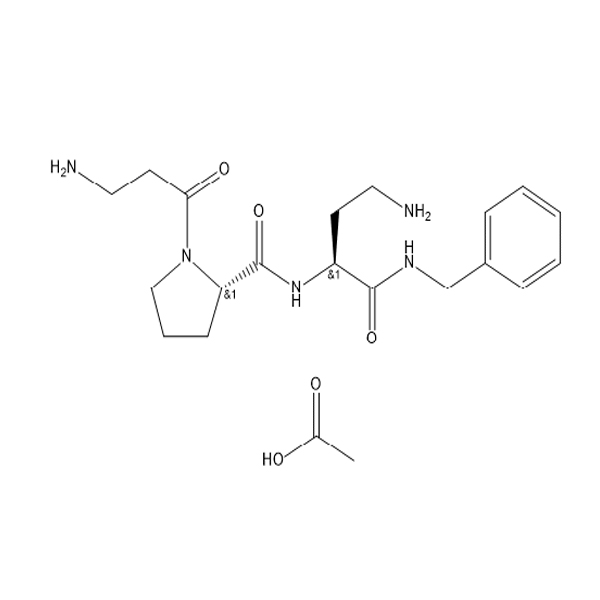
Dipeptide Diaminobutyroyl Benzylamide/823202-99-9/GT Peptide/Peptide Supplier
-
150671-04-8,Ceratotoxin A, Hangzhou Polypeptide Company
-
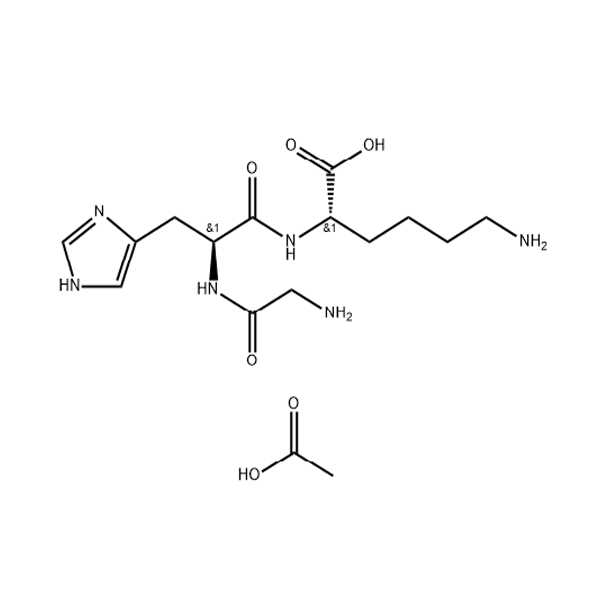
Tripeptide-1/72957-37-0/GT Peptide/Peptide Supplier
-
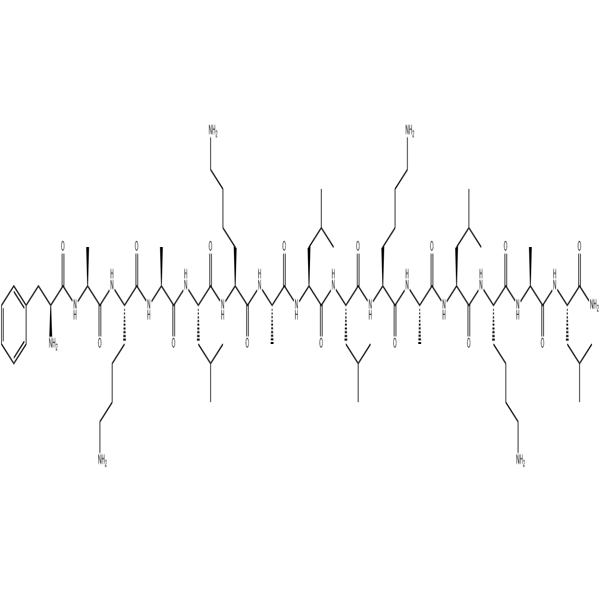
Oligopeptide-10/466691-40-7/GT Peptide/Peptide Supplier