
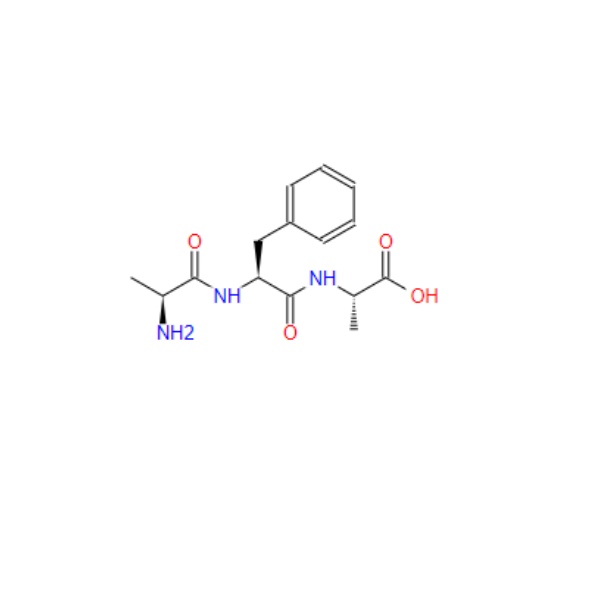
A- F-A,54865-19-9, polypeptide raw materials
Dirction:This high‑purity compound is supplied for laboratory research purposes only. Strict quality control is implemented throughout production, with HPLC and spectroscopic analysis to guarantee batch‑to‑batch consistency. Complete CoA documentation is available upon request. Proper sealed packaging ensures product stability during transit. Not for human, veterinary therapeutic or diagnostic usage. All operations should follow standard laboratory safety protocols.
Basic information:
Brand: Gutuo
appearance: white powder
storage: shading, cool and dry, sealed preservation purity: ≥ 99% main purpose: polypeptide research use
Implementation standard: enterprise standard
mg/g/kg (subject to customer requirements)
Sales Scope: Global
Peptide FAQ:
1. Peptide preservation
peptides generally need to be stored in dark for long-term storage, and should be stored below -20 degrees,-80°C is better, and can be stored at 4°C in the short term. It can be transported at room temperature for a short time. The polypeptide is stable at -20°C or lower, particularly when freeze-dried and stored in a desiccator.
Before opening the package and weighing, please balance the polypeptide to room temperature in a desiccator. If the polypeptide is not balanced to room temperature, it is easy to have water condensation after opening the lid, which will reduce the stability of the polypeptide product.
The polypeptide containing Cys, Met or Trp is easily oxidized, and deoxygenated buffer is essential for its dissolution, because this polypeptide is easily oxidized by air. Before sealing the bottle, nitrogen or argon protection will reduce the oxidation. Polypeptides containing Gln or Asn are relatively easy to degrade, and all of these peptides have a shorter shelf life than simple peptides that do not contain these problems.
The polypeptide whose first amino acid at the N-terminal is Gln is very unstable and will be degraded within a few days. It is suggested that Gln should not appear at the N-terminal when designing the sequence.
Products categories
-
Big Gastrin I Human/60675-77-6/GT Peptide/Peptide Supplier
-
Amyloid β-Protein (4-42) ammonium salt/157884-72-5 /GT Peptide/Peptide Supplier
-
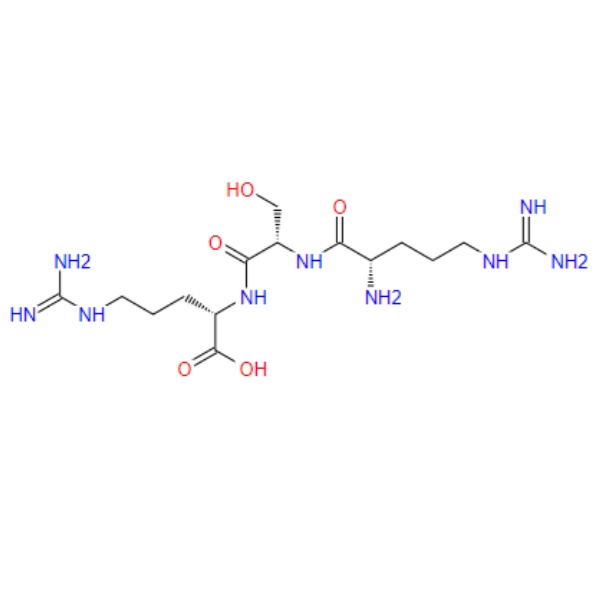
R-S-R,115035-42-2, Hangzhou Polypeptide Company
-
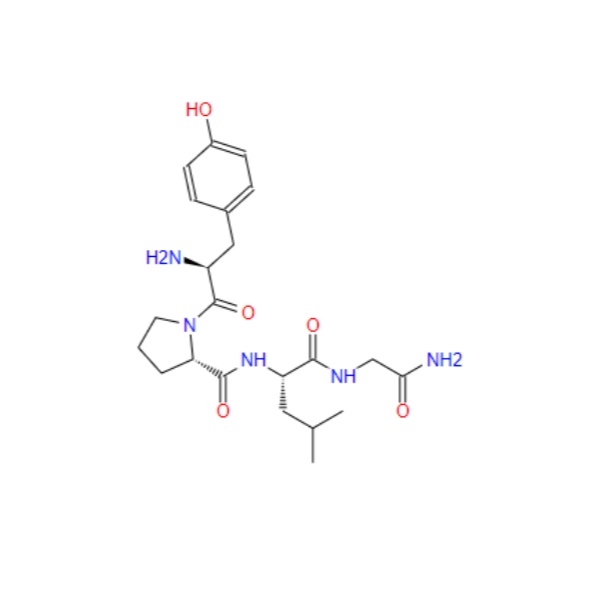
77133-61-0,MIF-1 Tyr, Hangzhou Polypeptide Company
-
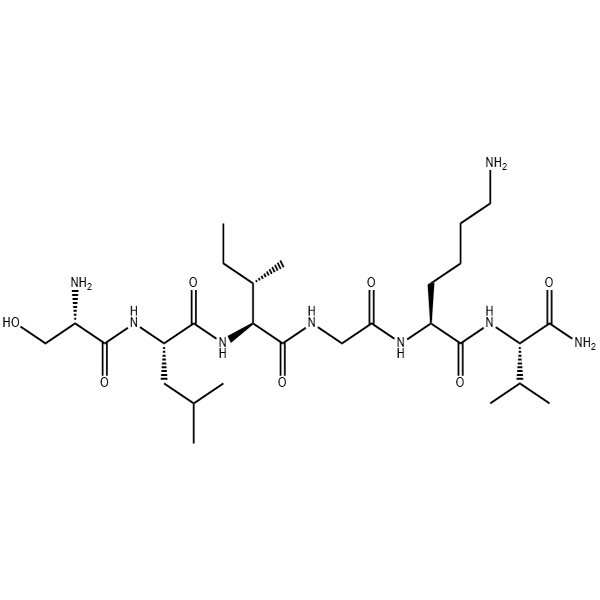
Protease-Activated Receptor-2/190383-13-2 /GT Peptide/Peptide Supplier
-
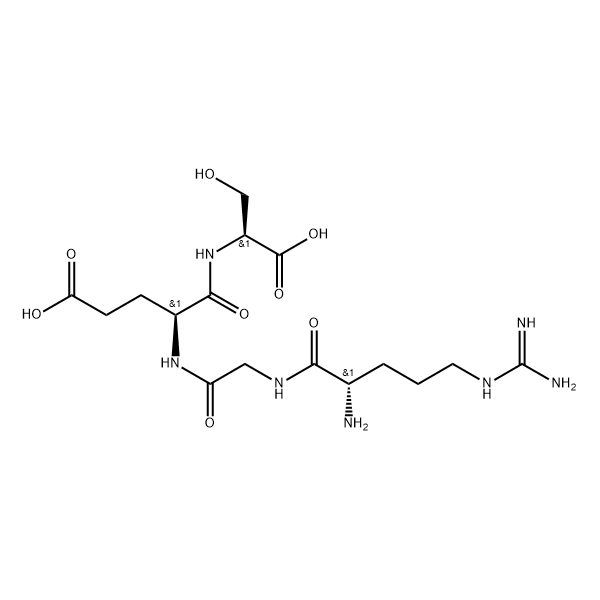
Arg-Gly-Glu-Ser/93674-97-6/GT Peptide/Peptide Supplier