
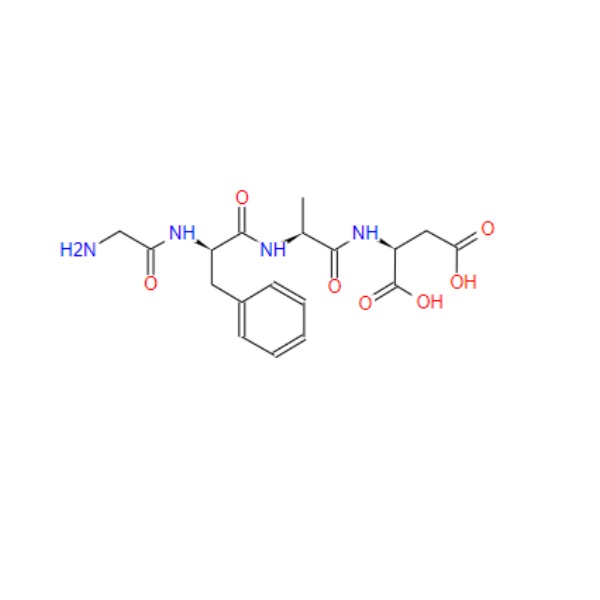
Achatin-1,chinese peptide, peptide customization
Dirction:Achatin‑I, a bioactive tetrapeptide containing D‑Phe, is extracted from Achatina fulica ganglia. It acts as a neuroexcitatory modulator, triggering inward currents on specific giant neurons. Supplied with high purity for neuroscience and biochemical research. For research use only.
basic information:
brand: solid extension
appearance traits : white powder
storage: shading , cool drying , sealed preservation purity: ≥ 99% main use : Polypeptide Research Use
execution standard: enterprise standard
specifications: mg/g/kg, etc ( subject to customer requirements )
sales Scope: Global
peptide frequently asked questions:
q: Should I choose peptides or proteins as antigens?
A: It still depends on what experiment the antibody is used in. 1. During the experiment, the protein is in its natural state, and the antibodies used at this time generally recognize the conformational epitope and linear epitope of the protein. Such experiments mainly include CO-IP, FACS, Neutralizing/Blocking and Elisa method to detect natural proteins, etc. 2. During the experiment, the protein is in a denatured or semi-denatured state. At this time, most conformational epitopes have been destroyed, and antibodies generally recognize linear epitopes. Such experiments mainly include: Western, IHC/ICC/IF and other antibodies prepared with polypeptides as antigens recognize linear epitopes. When the protein is in denatured or semi-denatured state, the results can be satisfactory; however, it cannot be guaranteed that antibodies prepared by using proteins as antigens to recognize natural proteins can recognize linear and conformational epitopes of proteins. Basically, all experiments can be applied. Therefore, using proteins as antigens should be the first choice. However, when polypeptide antigens can already meet the experimental requirements and it is difficult to obtain proteins, it is more appropriate to use polypeptides as antigens to prepare antibodies.
Products categories
-
Antiestrogen, Polypeptide Synthesis, Hangzhou Polypeptide Company
-
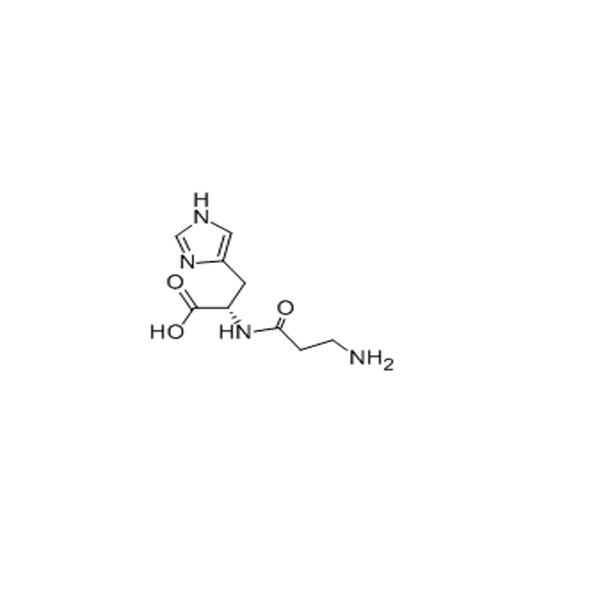
L-Carnosine/305-84-0/GT Peptide/Peptide Supplier
-
Parathyroid Hormone(1-34) Bovine/12583-68-5/GT Peptide/Peptide Supplier
-
α-CGRP (rat)/83651-90-5/GT Peptide/Peptide Supplier
-
Amyloid Bri Protein (1-23) trifluoroacetate salt/717122-86-6 /GT Peptide/Peptide Supplier
-
Amyloid β-Protein (1-11)/190436-05-6 /GT Peptide/Peptide Supplier